

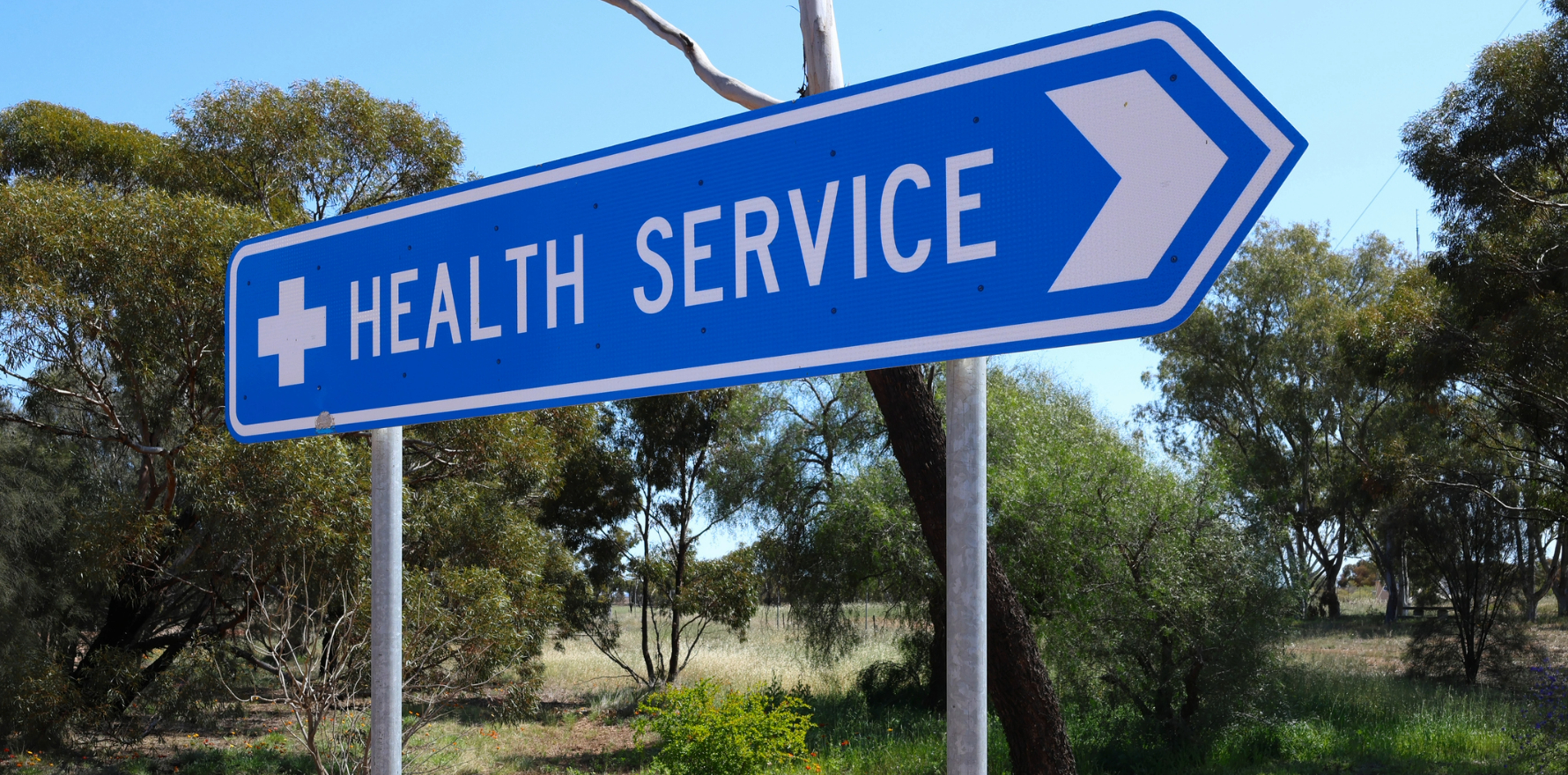
WA's 2026-27 budget commits a record $9.1 billion to health. With 900 new beds planned and winter approaching, the focus now shifts to delivery.
Mining royalties and GST payments have helped fund the Western Australia government’s record $9.1 billion of health spending in the 2026-27 budget delivered yesterday.
Treasurer Rita Saffioti’s budget includes $6.5 billion on hospitals to bring more than 900 extra beds online.
“This is the biggest investment in health in State history and is only possible thanks to our government’s strong financial management,” she said.
AMA (WA) President Dr Kyle Hoath said it was hard not to be excited about the big investment in health.
“To see this level of investment from the government is very reassuring, and we thank the investment across a number of key areas including hospital infrastructure, including resource delivery and staffing and mental health in particular,” he said.
Hospital build and upgrades
Over the next four years, $5.5 billion will be invested in building, buying and upgrading hospitals and health infrastructure. This includes an additional $1.5 billion in this budget.
Included in the spending is $500 million added to the Building Hospitals Fund, which will resource major hospital projects including the new Women and Babies, Royal Perth and Mandurah Hospitals, and the Perkins WA Comprehensive Cancer Centre.
Nine hundred new beds are being planned, with 120 beds becoming available for this winter season at Joondalup Health Campus and St John of God Midland.
There will be a $294 million additional investment in regional hospitals, including Bunbury, Albany, Tom Price, Meekatharra, Geraldton, Laverton and the South Hedland Step Up/Step Down facility.
The government will spend $225 million to bring the 118 beds at Mount Lawley Hospital into the public hospital system from September 2026.
They’re adding a $214 million for capital hospital maintenance after a damning audit found their hospital maintenance system was underdeveloped and overly reactive, leaving ageing facilities to crumble.
According to health infrastructure minister John Carey, this is the state’sbiggest ever hospital building program.
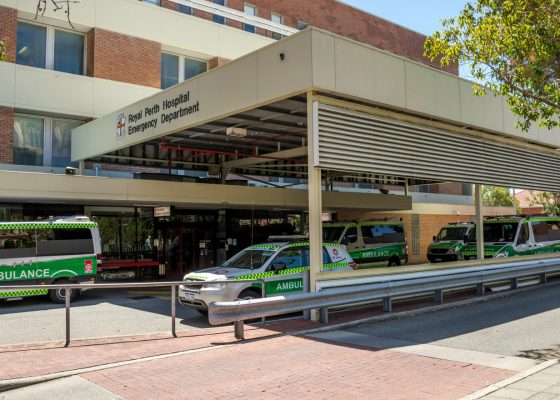
“This includes upgraded and new hospitals across regional Western Australia, a brand new emergency department at Royal Perth Hospital, a new maternity hospital and a new hospital for Mandurah and the Peel region.
“This Budget demonstrates our commitment to substantially increasing hospital capacity to service our growing population,” he said.
But Dr Hoath said there were still questions that remained unanswered.
“I would love to see some funding allocated to our long-term hospital infrastructure plan. Where is our next big hospital going? I still can’t get an answer to that question.”
He said there needed to be strategic planning rather than isolated project announcements. Dr Hoath encouraged the government “to invest in a plan for what the hospital infrastructure or what the health infrastructure looks like for our State going into the future.”
Also in today’s edition:
- $1.5m extra for Cohealth, but where is the review?
- NSW opens up Thriving Kids to EOIs
- AI scribing giant names new CCO
- Australia’s private health sector is fighting with itself
- NSW Health ‘deeply committed’ to combating antisemitism
- Richer residents preferred, unstaffable beds left empty: review
- Healthcare’s new weak link: the power bill
Improving health services
A $6.5 billion investment in frontline hospital services is hoped to provide alternatives to ED and improve patient flow.
After last year’s dire winter flu season, the government is investing in surge private bed capacity during the peak winter months and extending the State Health Operations Centre to improve emergency access.
It will also expand Hospital in the Home in residential aged care and helping older patients leave hospital with more Time to Think beds and transition care places.
As aged care and seniors minister Simone McGurk said, by 2036, approximately one in five people living in WA will be aged 65 and over.
“That is why we are investing in services for older Western Australians, including the expansion of our nation-leading Time to Think program.
“By working closely with aged care providers and the Commonwealth, the Cook Labor Government is strengthening aged care pathways and tailoring support for older Western Australians,” she said.
“We needed this kind of investment in our health system,” Dr Hoath agreed.
“We’ve seen what happened last winter. We know what’s coming in a few months’ time as the months get colder. We’ve been languishing for a while in a State where we need more hospital beds, we need more staff to deliver care to the community.”
Related
Mental health
Mental health is also a focus, with a $414 million boost for mental health and alcohol and other drugs services. This will include $43.8 million baseline funding uplift for community mental health and Alcohol and Other Drug services and $48.6 million for culturally appropriate social and emotional wellbeing support for Aboriginal people.
Money has been put aside to extend suicide prevention initiatives and providing supports for young people who have lost someone to suicide.
The state’s first Crisis Recovery and Intervention Support Service will also be rolled out.
Health minister Meredith Hammat said the Cook Labor government was committed to improving access to healthcare to all Western Australians, at all stages of life.
“We’re increasing capacity, growing and supporting our workforce, and enhancing care both at hospital and in the community,” she said.
The devil is in the detail
While the AMA welcomed the funding, Dr Hoath said implementation would be critical.
“The devil for us is in the detail … it all comes down to the delivery. And without the people to deliver that care, we will continue to face the same problems.”
He said while there was mention of staffing increases in the budget, there wasn’t enough information.
“We really need to see the detail around that … what the medical workforce will look like going into the future. If we are opening hospitals without a plan for the staff and the infrastructure to support those hospitals, we will just run into the same problem.”
Dr Hoath said future health infrastructure planning should rise above short‑term political cycles.
“This is something that should be not really tied to politics. I’d love to see both sides of government work together on what a long-term health sector plan looks like for our state.”