

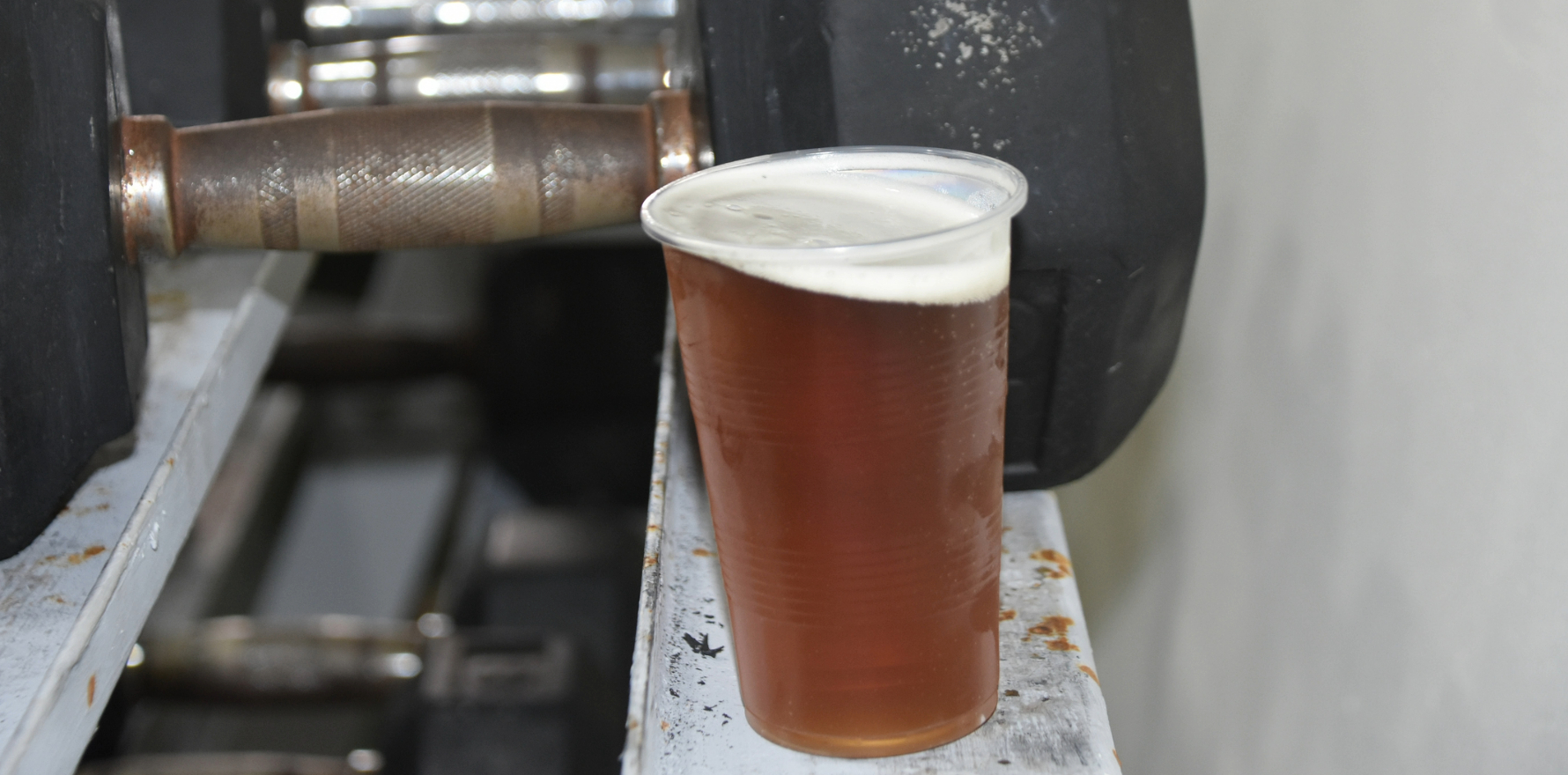
From treadmills to heavy machinery, researchers warn zero-alcohol marketing is blurring boundaries and expanding alcohol brand exposure where it never existed before.
A woman holds a zero-alcohol beer while stepping off a treadmill. Another ad shows a man drinking a zero-alcohol beer while using heavy machinery.
New research published in Drug and Alcohol Review has found almost two-thirds of zero and low-alcohol products are promoting use in settings that are traditionally alcohol-free.
“It’s concerning that alcohol companies would be presenting their products for use in situations that you would never consider using alcohol,” said co-author and deputy chair of Cancer Council’s nutrition, alcohol and physical activity committee, Julia Stafford.
“It’s encouraging alcohol brands in more situations when the public health goal is to reduce exposure to alcohol marketing in order to reduce harm from alcohol.
“I think this is muddying the message,” she told Health Services Daily.
The study analysed 30 marketing campaigns for zero or very low-alcohol products that share branding with alcohol products. The campaigns promoted 13 zero alcohol products in Australia and six in New Zealand between 2018 and 2024.
Seventy-three percent of campaigns showed zero alcohol products in a traditional drinking context (e.g., a bar or pub), so it could be seen as an alternative to alcohol.
Also in today’s edition:
- ED docs claim NSW Health is delaying payment of ‘routine’ allowance
- DoHDA will cooperate with ombudsman’s IAT investigation
- Private health isn’t delivering on value. Here are three practical steps for reform
- Who is Victoria’s new health minister?
- Stroke treatment getting faster, but still too slow for many: national registry
- ABS unlocks suburb-level health data in National Health Survey update
- Australians want to age at home — but workforce gaps threaten the plan
However, many of these campaigns also promoted the use of zero alcohol products in novel occasions, including water‑based environments (37%), driving‑related settings (36%), and adventure or outdoor activity locations (30%).
“The most popular ones are brand extensions of alcoholic products. They share an alcohol brand. Their packaging looks almost identical to their alcoholic counterpart, and they are designed to mimic the taste of the alcoholic product.
“Children and young people can see this alcohol brand marketing in so many more places that they would go,” she highlighted.
Ms Stafford said it shows that alcohol brands are exploiting Australia’s weak advertising rules.
“The rules around how you can market alcohol are largely written by the alcohol industry themselves.
Related

“The industry’s rules – they’re weak in general, but they’ve given themselves even wider scope to advertise zero alcohol products that share an alcohol brand,” she said.
She said the research shows that the federal government needs to step in to close this zero-alcohol loophole.
“We need to move from these weak rules that industry have set for themselves around the content and placement of alcohol advertising, and move to a federal government setting (with) clear legislated controls that set higher standards across alcohol advertising, marketing, sponsorship,” she said.