

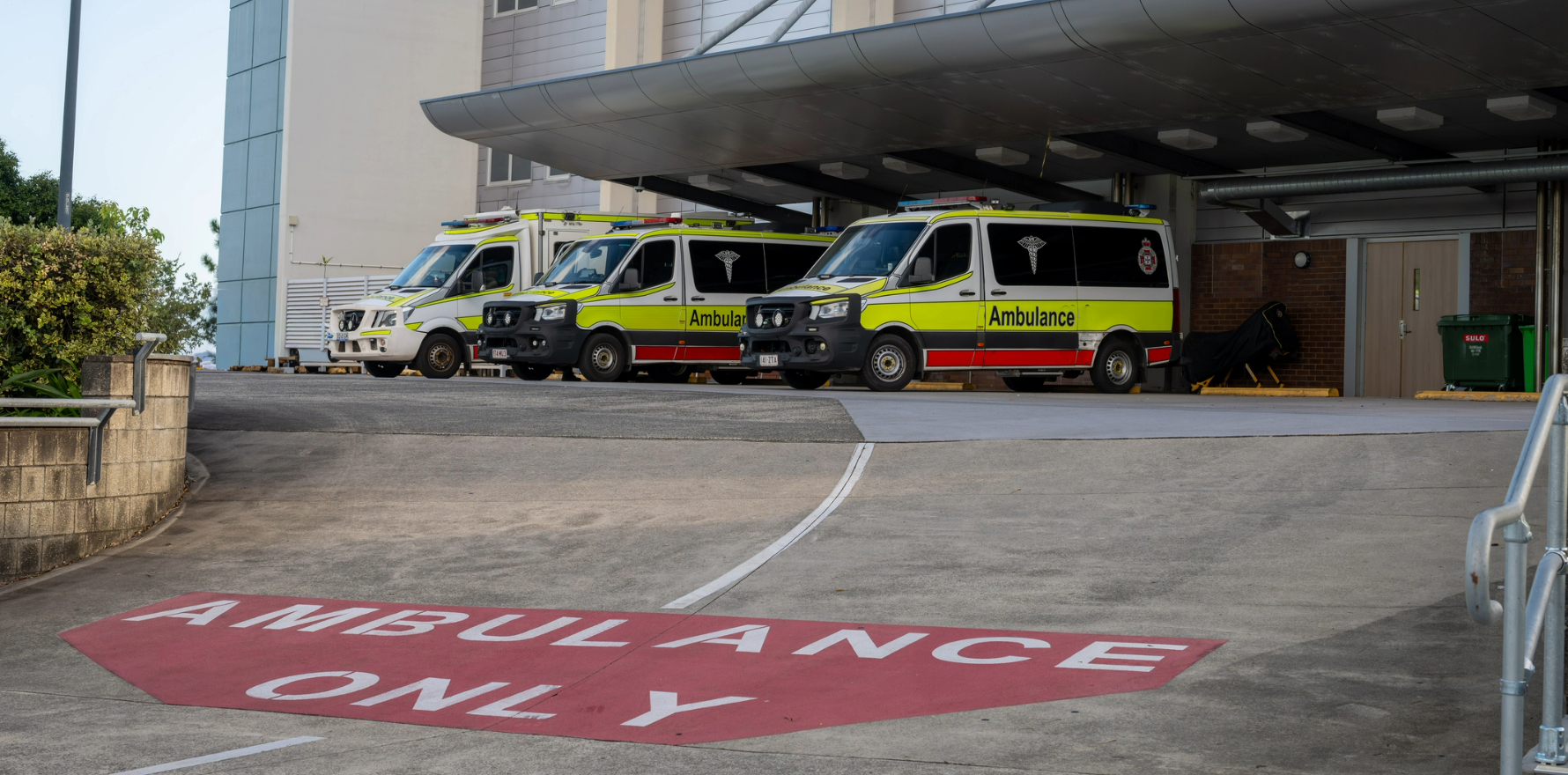
The AMA Ambulance ramping report card paints a stark picture, which includes one state where ramping hours have tripled in five years.
New data from the AMA Ambulance Ramping Report card has shown the ambulance ramping situation isn’t getting any better.
More patients needed an ambulance in 2024-25 than ever before with 4.5 million incidents requiring an ambulance and 2.4 million people arrived at hospital via ambulance. With population growth, these numbers are set to grow.
The report also found more people were sitting in ramped ambulances outside hospitals than they were five years ago. This reduces the availability of ambulances to respond to other emergencies and contributes to dangerous delays in treatment.
South Australia has seen the starkest deterioration. The total hours ramped outside hospitals have more than tripled since 2019-20, and are now sitting at over 49,000 hours. In the 2024-25 financial year, only 45.7% of patients were transferred within 30 minutes, well below their target of 90%.
Western Australia saw the sharpest change year-on-year, with ramped hours in 2024-25 jumping roughly 31% since the year before. September 2025 was the worst month on record in WA, with 7268 hours ramped. WA has a target of 100% of cases being transferred to hospital in 30 minutes. However, in 2024–25, only 65% of patients were transferred within 30 minutes.
Queensland and NSW have also struggled to meet their transfer targets. Queensland hasn’t met its 90% transfer target in 10 years, whereas NSW has missed its 90% target every year since 2018–19. Their current figure is about 80%.
AMA President Dr Danielle McMullen said the data painted a stark picture of a system under extreme strain.
“Ambulance ramping is not an occasional pressure point — it’s a daily reality and a symptom of the logjam in our public hospitals that is putting patients, paramedics and clinicians in harm’s way,” Dr McMullen said.
“People are deteriorating, and in some cases dying, before they can even reach a hospital bed. That is unacceptable in a country with a world-class health system. Our frontline teams are doing everything humanly possible; it’s the system around them that is breaking down.
“It is a sad reality that governments around the country have become desensitised to the harmful impact of ambulance ramping on patients and hospital staff, essentially normalising it through years of neglect and underfunding of our health system.”
Related

She said the impact on frontline staff was equally severe, with doctors, nurses and paramedics increasingly forced to deliver care in overcrowded, high-pressure environments.
“Treating patients in corridors, managing prolonged handovers, and juggling unsafe workloads undermines clinical decision-making and places doctors in morally distressing situations. Over time, these conditions contribute to profound fatigue, burnout, and declining morale, driving experienced clinicians away from emergency medicine and the public system altogether,” Dr McMullen said.
Governments needed to tackle access block head-on by expanding hospital capacity, improving patient flow, and investing in the health workforce.
“These reforms are essential to prevent further harm, restore confidence in the system and ensure ambulances are available when people need them,” Dr McMullen said.
“Governments must act now to reduce ramping, free up beds, and restore timely, high-quality care across the country. Every Australian deserves to know that when they call for help, the system will be there for them.”