

The next chapter is to build an equally strong health system, one that invests not only in treating illness, but in creating the conditions for good health.
One of the strongest messages to emerge from the recent Wild Health Prevention Summit was that Australia’s health system has reached an important moment.
Across the conference, there was broad agreement that rising rates of chronic disease, an ageing population and increasing demand are placing unprecedented pressure on our healthcare system. If we want a sustainable future, we need to shift our focus upstream to prevention.
The Productivity Commission recently estimated that investing an additional $1.5 billion in prevention over five years could deliver around $5.4 billion in health, social and economic benefits. The case for prevention has never been stronger.
But I left Wild Health wondering whether we are thinking broadly enough about what prevention actually means.
Much of the discussion focused on using better data to identify risk earlier, strengthening primary and community care, and intervening sooner in the disease pathway. These are all important shifts.
Earlier intervention improves outcomes, reduces pressure on hospitals, and delivers better care for patients. General practice, community care and our hospitals are essential partners in prevention, and they will continue to play a critical role in improving the health of Australians.
But earlier intervention is not the same as primary prevention. If the Prevention Pivot simply moves us further upstream within the healthcare system, we will undoubtedly improve healthcare. But we won’t yet have built a true health system.
That distinction matters.
A healthcare system responds when people become unwell. A health system creates the conditions that help people stay well in the first place.
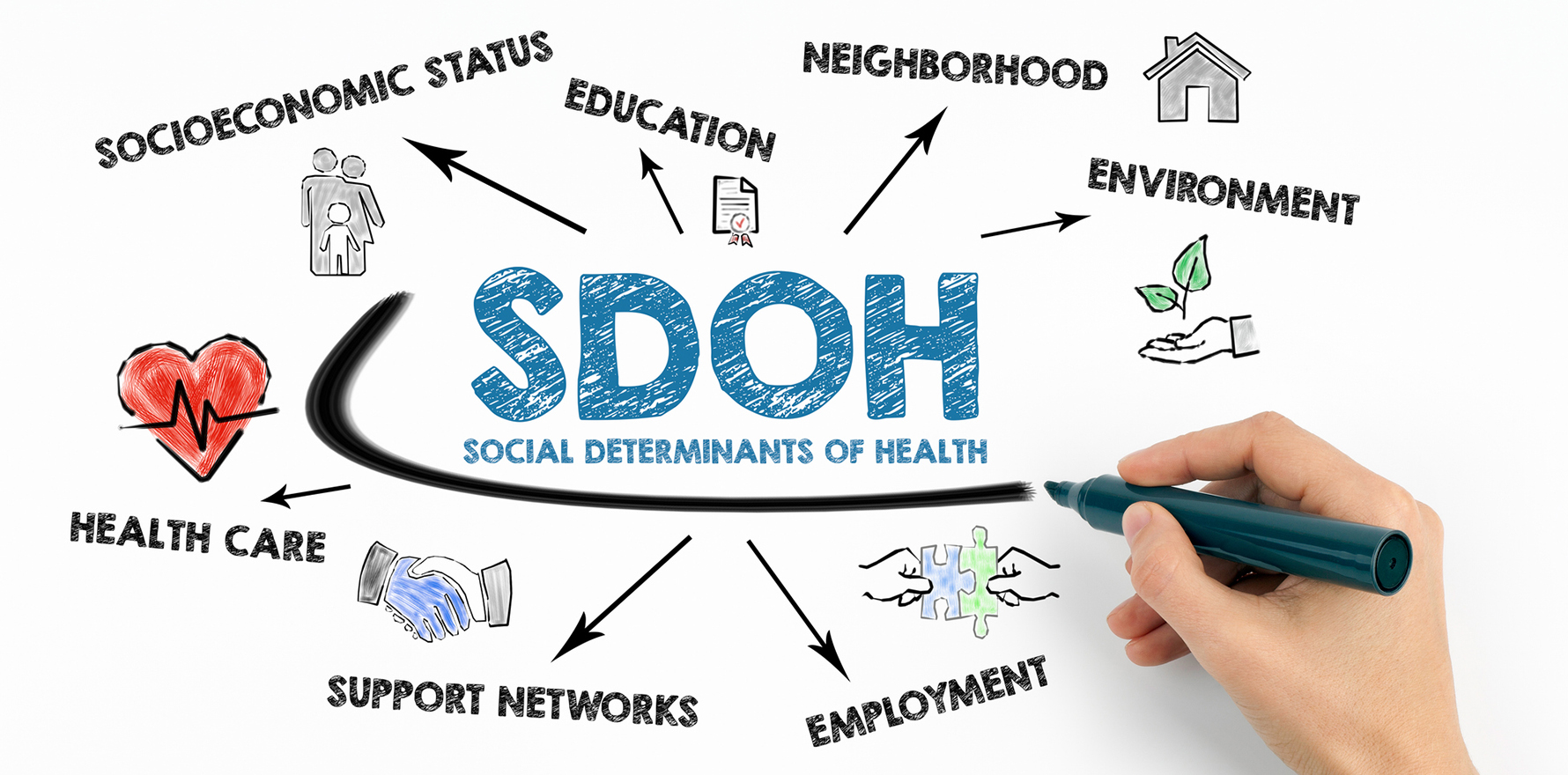
Health isn’t created in hospitals or GP clinics alone. It is shaped much earlier by the food available in our communities, the places we live, learn, work and play, the opportunities we have to be active and connected, and the commercial environments that influence our daily choices. These are the conditions that shape health long before clinical care is needed.
At VicHealth, this is our focus.
We’ve learnt that improving population health means changing the systems that shape health, not simply supporting individuals to make healthier choices within systems that too often make those choices difficult.
Also in today’s edition:
- NSW Health leaders silent on confidence in SDPRIA chief
- Memo to SA Health: Australia does not need another AI scribe
- Cohealth launches progress tracker, appoints medical lead
- GP clinics face fines for making false PIP claims
- Alliance backs NDIS reforms but urges senators to address implementation risks
- New health minister for the ACT
Australia has shown, time and again, that systems change works. Tobacco control, road safety, and SunSmart didn’t succeed because individuals suddenly made better decisions. They succeeded because governments, communities, researchers, and health services worked together to change policies, environments, incentives and social norms.
Today’s health challenges demand the same ambition.
Take food as an example.
Most Australians know what healthy eating looks like. Yet every day our choices are shaped by affordability, availability, marketing, product formulation, and the environments in which food is produced, sold and promoted. If we want healthier diets, information and education, while critical, won’t get us there alone. We need healthier food systems.
The same principle applies across many of today’s greatest health challenges.
Whether we’re addressing chronic disease, mental wellbeing or health inequities, lasting progress will come from changing the systems that shape health, not simply responding more effectively once illness has developed.
This is the next Prevention Pivot. Not simply investing earlier, but investing differently.
Fortunately, we are not starting from scratch. Australia already has much of the architecture in place.
The National Preventive Health Strategy, state prevention strategies, the Productivity Commission’s recommendations, financing initiatives such as Victoria’s Early Intervention Investment Framework, and decades of experience from health promotion agencies all point in the same direction.
Related



The challenge now is implementation.
That means sustained investment. Long-term partnerships across governments, health services, communities, and researchers. Measuring success through healthier populations, not simply lower hospital demand. And recognising that creating health requires as much deliberate effort as treating illness.
My hope is that one of the lasting legacies of Wild Health is that it broadens our collective understanding of prevention.
Australia has much to be proud of. We have built one of the world’s strongest healthcare systems, supported by outstanding clinicians, researchers, and health services.
The next chapter is to build an equally strong health system, one that invests not only in treating illness, but in creating the conditions for good health.
If we truly want to protect Australia’s healthcare system for future generations, our Prevention Pivot can’t stop at healthcare. It must also embrace the systems that create health.
Anna Peeters is the chief executive officer of VicHealth.