


Developing better treatment options for diabetes is incredibly important, but equally so is examining the forces that impact a person’s health long before a diagnosis is made or a prescription is needed.
Ozempic and Mounjaro are fast becoming household names in Australia. The public debate has covered everything from weight loss, side effects, price to access and supply.
For many people with type 2 diabetes GLP-1 medicines are vital medicine that help manage blood glucose and reduce the risk of serious complications.
This week, more than 3000 people are gathered in Melbourne for one of the biggest diabetes conferences ever held in this part of the world, discussing advances in medicines, technology and care.
These advances are extraordinary. But they also raise another question: if we are getting better at treating diabetes, why aren’t we doing more to prevent it in the first place?
Diabetes is one of Australia’s most pressing, and most prevalent, health issues. Around one in 15 Australians lives with diabetes. In 2023-24, diabetes was associated with more than 1.3 million hospitalisations, an estimated $4.4 billion in Australian health system expenditure and contributed to 11% of deaths.
These are not small numbers.
Developing better treatment options for diabetes is incredibly important, but equally so is examining the forces that impact a person’s health long before a diagnosis is made or a prescription is needed.
Look, for instance, at the daily ritual of getting dinner on the table. The best treatment in the world can’t lower the price of fresh food or make it readily available. It can’t give a stressed parent collecting children after work more money and time to cook.
That’s the limit of medicine. While it can treat diabetes effectively, it can’t shift the fundamentals and remake the circumstances that make it more likely to develop in the first place.
Gestational diabetes shows us how early risk can build. Almost one in five women who gave birth in an Australian hospital in 2023-24 had gestational diabetes, with this figure doubling between 2012-13 and 2023-24, from 9.3% to 18.9%.
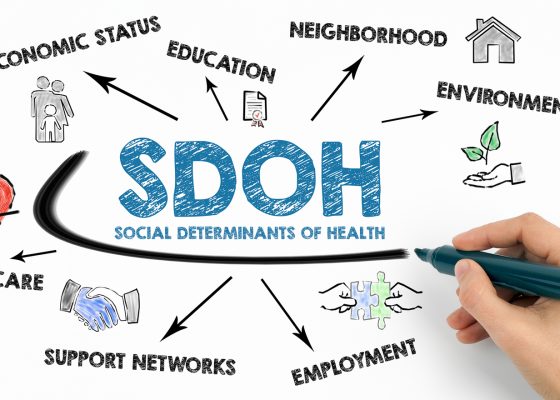
It comes as no surprise to those of us working in public health that women in the most disadvantaged areas were 1.6 times as likely to be diagnosed as women in the most advantaged areas. This isn’t about some women caring more about their health than others. It reflects very real differences in people’s circumstances including income, housing, work, access to healthy food and pregnancy support.
Despite this, many public health messages still place the responsibility on individuals. Eat better, move more, make good choices. It’s a familiar tune.
Calling it “choice” doesn’t tell a full story. Fresh food often costs more, heavily promoted products are unavoidable, and the fastest option is often the unhealthiest. What ends up in shopping trolleys and on tables is influenced far more by price, convenience and marketing than choice.
Just 6.5% of Australian adults meet their recommended daily intake of vegetables. That statistic alone should make us ask why households are being given nutrition advice that our current food environment makes so hard to follow.
Omnipresent supermarket specials, product placement, fast-food outlets, advertising and delivery apps all steer people towards some products and away from others.
We have ways to address these issues. We can make fresh food more affordable, reduce unhealthy-food marketing to children, get behind local food enterprises, and ensure healthy options are easy to find in schools, workplaces and community settings.
Related


There are good examples close to home. The Community Grocer operates affordable fruit and veg markets in public housing estates, schools and community hubs across Melbourne, with fresh produce costing, on average, 30% less than at surrounding shops.
Across the state, VicHealth’s Future Healthy Food Hubs have provided more than one million serves of fruit and vegetables and have linked 47,000 people with their local food initiatives.
And relatively minor changes, when achieved across a population, can add up to significant benefits.
Modelling by Deakin University for the Western Public Health Unit found that if the 51,000 young children in Melbourne’s west ate one additional serve of vegetables a day, the long-term health gains could save an estimated $182 million in healthcare costs.
These projects won’t prevent or cure diabetes on their own, but they do an excellent job in showing what prevention looks like and begins to shape the everyday settings in which people eat.
Better treatment, technology and timely access to quality care will remain essential to reducing the impact of diabetes, but we cannot rely on treatment alone to turn the tide.
As governments and communities grapple with the growing burden and cost of diabetes, prevention needs to be part of the same policy and investment conversation as treatment. That means investing not only in helping people manage their individual risk, but in creating healthier food, social and economic environments that make good health possible in the first place.
Rapid advances in treatment, including GLP-1 therapies, show what’s possible when science, investment, and public attention boldly come together to tackle a major health challenge. Prevention deserves that same level of ambition.
Professor Anna Peeters is chief executive officer of VicHealth.