

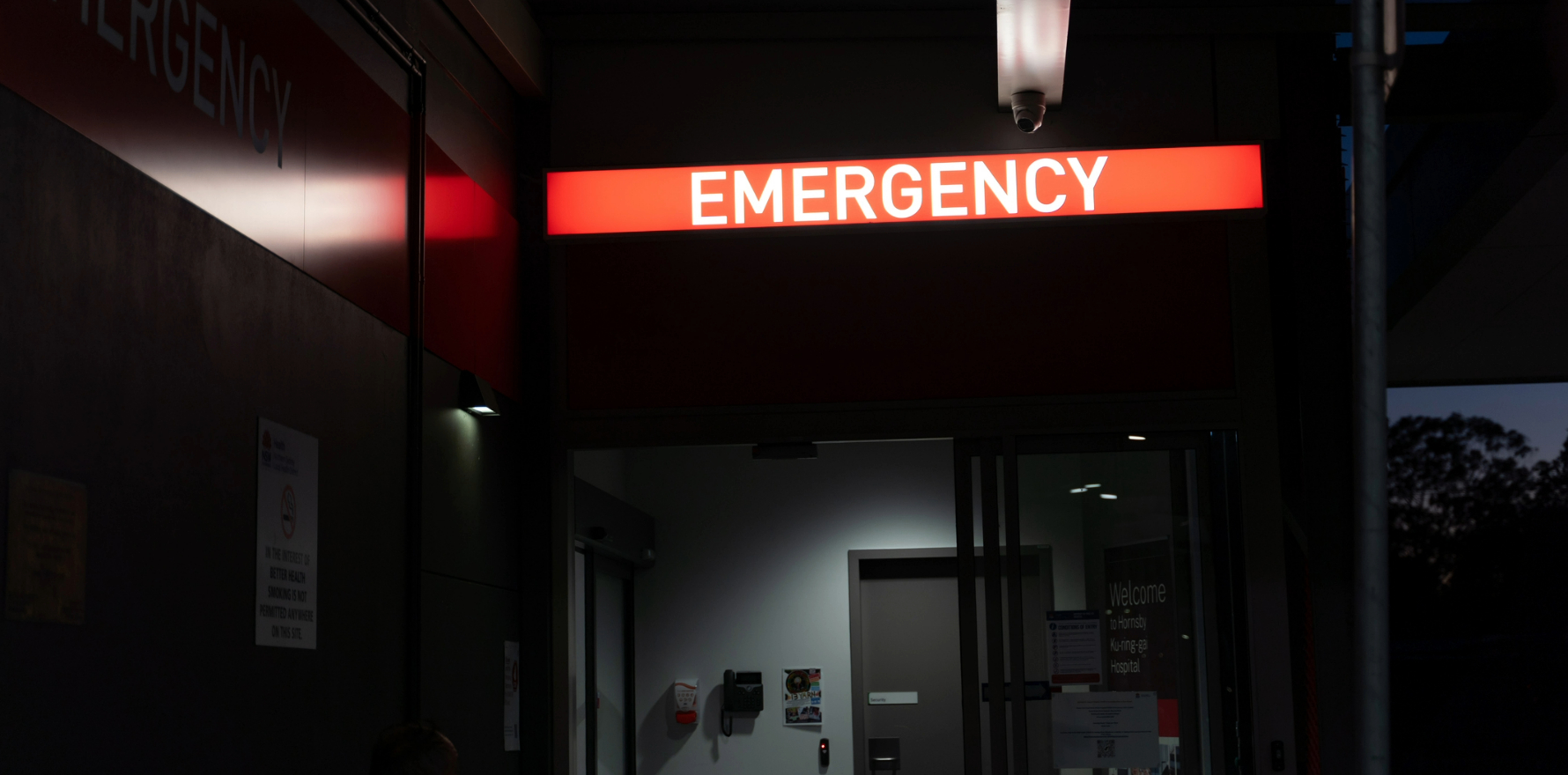
Winter flu season is being blamed for record emergency department presentations, but some say it wasn’t an unforeseen crisis.
NSW emergency departments have recorded their biggest ever winter day, with almost 10,000 people presenting to hospitals across the state yesterday.
Ongoing presentations of influenza, covid and RSV, combined with thousands stuck in the system waiting for aged care and NDIS places are being blamed for the surge.
In particular, hospitals in Western Sydney are struggling, with Blacktown, Bankstown, Nepean, Campbelltown and Liverpool being called out for having particularly high presentation numbers.
“Yesterday we had just under 10,000 people present to our emergency departments. That is the biggest ever recorded winter day in history, and that is a demonstration of the sort of pressure our staff in the health system are under right now,” NSW health minister Ryan Park said.
“We saw yesterday 4100 odd (ambulance) callouts. That is far more than what they were predicted on that particular day.
“I want to acknowledge our frontline staff from across the board, from our administrative staff to our allied healthcare professionals, to our paramedics, our cleaners, of course, our nurses and midwives, as well as our clinicians, for the incredible task they are doing right now to support our system.”
In response to the rising numbers, NSW Health has set up an integrated Health System Operations Command Centre to move people around the system, which might mean patients will be sent to other hospitals depending on demand.
The centre works with System Flow Officers, NSW Ambulance, and Patient Transport Services to strengthen system-wide coordination and operational oversight.
NSW Health Secretary Susan Pearce said despite the challenges, they spend every waking moment working out how to ensure people get the best care possible.
“The health system never stops reinventing itself to continue to cope with the type of demand that we’re seeing,” she said.
“We’ve had command centres before in period of peak demand, but now we’re making it permanent to give us strong oversight over how the system is responding to the demands of the season.”
Related



Mr Park urged the public to avoid emergency departments unless it was crucial and instead consider calling 1800 Medicare or visiting an urgent care centre.
However, Ms Pearce admitted virtual care and urgent care were already doing their jobs by absorbing many of the triage categories four and five.
What was mostly being seen in emergency departments was a big increase in high acuity patients, particularly triage categories two and three.
“Every quarter we see that number going up and up. Part of that’s associated with ageing population, comorbidities, and the like,” she said.
However AMA NSW President Dr Fred Betros said this was not an unforeseen crisis.
“It is a failure to prepare for predictable demand. The warning signs were impossible to miss,” he said.
He highlighted the Bureau of Health Information’s Healthcare Quarterly performance report for January to March 2026, which showed NSW emergency departments recorded almost 792,000 attendances, while ambulances brought nearly 200,000 patients to hospitals, the highest number on record.
“The NSW Government knew hospitals were operating dangerously close to capacity but failed to act with the urgency required,” Dr Betros said.
He acknowledged that Mr Park is working hard to manage the immediate crisis, and that he’s right to press the Commonwealth on aged care and NDIS delays, “but stranded patients cannot be blamed for every failure in our hospitals”.
“Telling patients to stay away from emergency departments is not a health strategy,” Dr Betros said.
“NSW needs more consultant doctors, properly staffed beds, modern industrial arrangements to attract and retain doctors, and serious investment in prevention, general practice and public outpatient care.”
For those waiting, all NSW Health could do was say sorry.
“We are well practiced at this, but sometimes days like yesterday, where the numbers exceed even our expectations of what our system is facing are incredibly challenging,” Ms Pearce said.
“For anyone here today in our hospitals, our patients and their loved ones who experienced a long wait, we apologise.”