

Increasing investment in prevention, embedding nurse-led chronic care clinics and better coordinated funding models are not radical proposals.
As a significant line item in the federal budget, the NDIS is attracting intense scrutiny in this difficult economic environment.
It is an easy target.
But rather than further marginalising people with disability, perhaps we could take a cleverer approach – and ask whether we are spending our health dollars as wisely as we could.
I believe the answer is: we are not.
Australia’s health dollar flows primarily to the acute sector, while primary and preventive care remain structurally underfunded.
A measure of how well our primary health care system is performing is avoidable hospital admissions. Here, Australia lags: 606 avoidable admissions per 100,000 people in 2023, against an OECD average of 473.
The Australian Institute for Health and Welfare (AIHW) has put a price on this. Potentially preventable hospitalisations cost $7.7 billion in 2023–24. That’s 8.5% of total admitted patient spending, or 15% of the entire annual NDIS budget. And chronic conditions account for nearly half that cost.
These are not abstract figures. They represent people admitted to hospital for conditions that, with better support in the community, need not have reached that point.
So how does this relate to nursing?
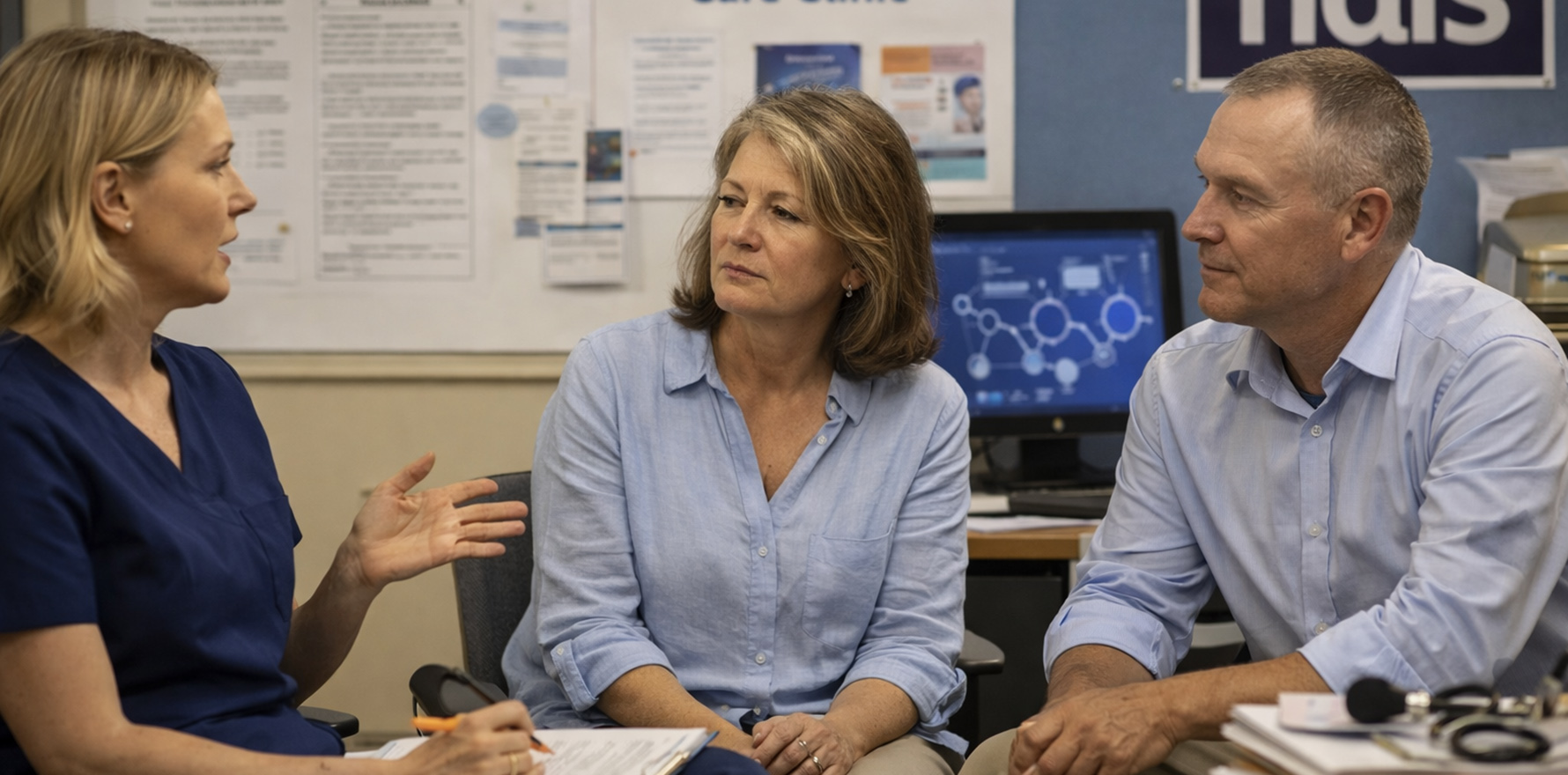
The Australian College of Nursing contends that Australia’s primary care system could be materially strengthened by removing the structural barriers that prevent nurses from practising to the full extent of their skills and training.
Enabling nurses to support people to better manage their chronic conditions is an investment with well-evidenced returns.
Look again at the AIHW figures: the largest contributors to preventable hospitalisation costs were all chronic conditions: diabetes complications at $962 million, congestive cardiac failure at $861 million, and chronic obstructive pulmonary disease at $797 million.
These are conditions that do not develop overnight, and whose trajectories can be meaningfully altered by sustained, skilled support in primary care settings.
Nurses are central to the solution, as the most numerous, most geographically dispersed, and most trusted health professionals in the country. Supporting patients to understand and self-manage their conditions is central to their practice.
Nurse-led chronic care programs operating through Primary Health Networks have demonstrated exactly this. They have been well received by both communities and GPs – and they are delivering the kind of proactive, relationship-based care that keeps people out of emergency departments.
But they are only run intermittently, with no sustained funding.
With real per-person spending on potentially preventable hospitalisations for chronic conditions growing 6% in real terms over the decade to 2024, according to the AIHW, the fiscal case for shifting investment upstream is only growing stronger.
Which brings us to prevention itself.
The Department of Health, Disability and Ageing’s own analysis cites research showing that every dollar invested in preventive health saves approximately $14.30 in downstream healthcare and other costs.
Yet Australia currently directs less than 3% of total health expenditure to prevention, short of the national 5% target set for 2030.
Our federated funding model compounds the problem. Hospitals are a state and territory responsibility, prevention and primary care largely federal – the financial incentives to address chronic conditions early are muddled. And while the political return on announcing investment in preventing a diabetes complication five years hence is weak, the announcement of a new hospital or an upgrade delivers a tangible political return.
Related



None of this works for those at the coalface – clinicians in hospitals managing the complications of conditions that could have been controlled in primary care settings – they understand better than anyone that prevention is better than cure. They also experience the complexity of our disparate system in managing frail older people or those with complex disability needs in state/territory-run acute settings, whose community support is primarily funded federally.
Increasing investment in prevention, embedding nurse-led chronic care clinics and better coordinated funding models are not radical proposals. They are evidence-based health investments.
What would be radical is focusing on disability spending alone while continuing to ignore climbing preventable hospitalisation bills.
Professor Kathryn Zeitz is the CEO of the Australian College of Nursing.
This article was first published on the Australian College of Nursing’s LinkedIn feed. Read the original here.