

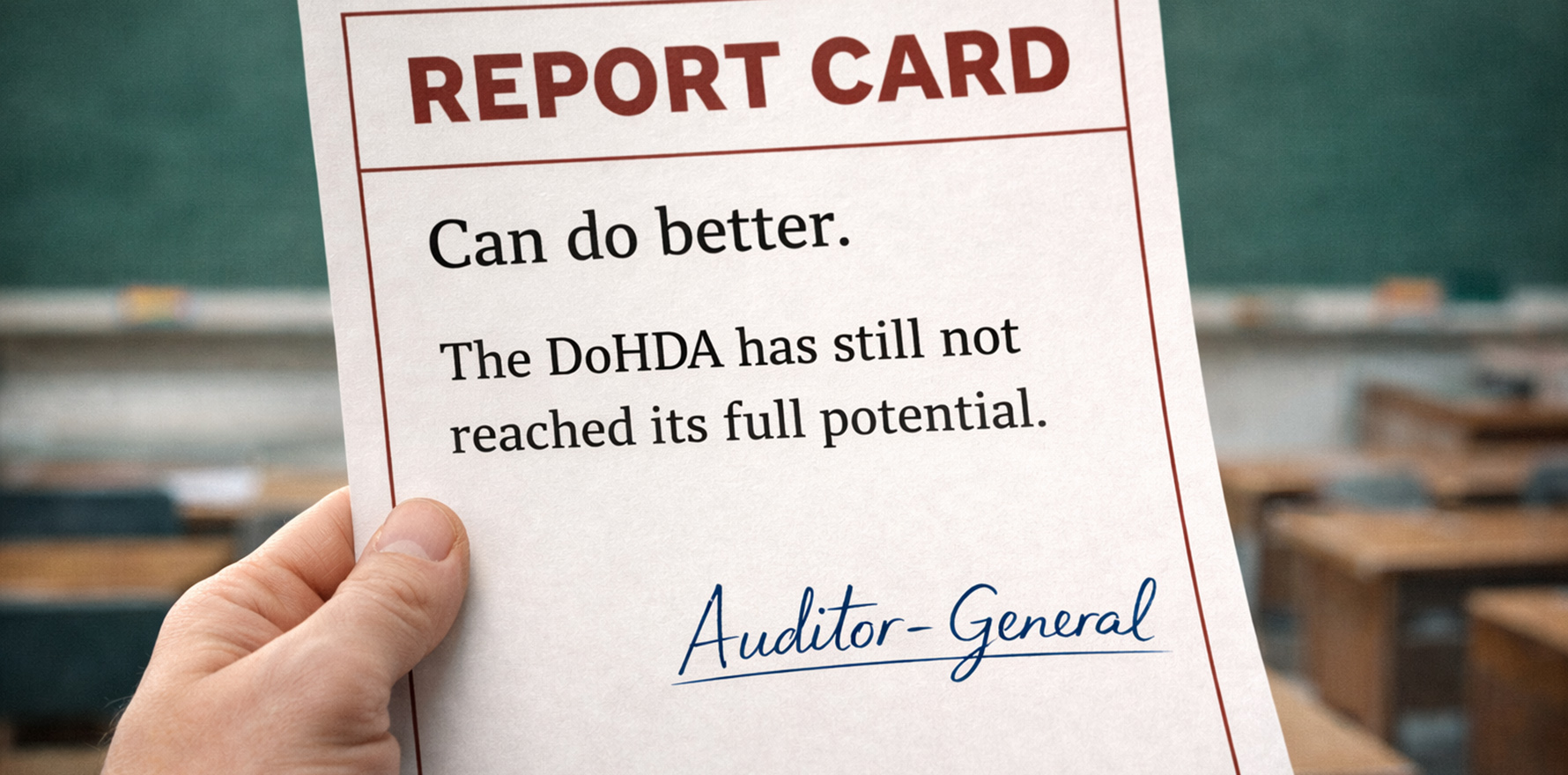
A new report says the department ‘did not fully support’ two national agreements, including a failure to measure and monitor outcomes.
The Department of Health, Disability and Ageing did not commit to fully supporting two national strategies for suicide prevention, failing to provide “robust” policy advice, and failing to effectively monitor and evaluate measures, says a new report released late yesterday.
The Australian National Audit Office published its audit of suicide prevention policy development and monitoring, making six recommendations. The DoHDA agreed to only three in full, accepting the others “in principle”.
From 2022–23 to 2025–26, DoHDA administered 41 suicide prevention measures with total Australian government funding of over $990 million. This audit examined six measures with funding of $560 million.
“DoHDA’s development and monitoring of suicide prevention measures was partly effective,” said the ANAO.
“The Australian government committed to address suicide through two national agreements – the Closing the Gap Agreement, which includes a target (14) of reducing suicide in Aboriginal and Torres Strait Islander people, and the March 2022 National Mental Health and Suicide Prevention Agreement (National Agreement).
“DoHDA did not fully support these commitments through robust policy development, including in genuine partnership with Aboriginal and Torres Strait Islander people, or effective performance monitoring.
“While new suicide prevention measures were implemented, DoHDA has not established arrangements to determine whether outcomes are being achieved.”
Policy advice about the two agreements and six prevention measures was “not robust”, said the report.
“Advice lacked consideration of program logics, implementation, stakeholder input, evaluation findings, and performance measurement and monitoring,” wrote the ANAO.
“A lack of clear roles and responsibilities impacted on policy development effectiveness, including the way in which the policy was developed in partnership with First Nations peoples.”
Additionally, four years after the National Agreement, and five years after the Closing the Gap agreement, government objectives had “not been achieved”.
“An appropriate performance measurement framework for suicide prevention agreements, measures and grants was not established,” wrote the ANAO.
“Monitoring and reporting was incomplete, compliance focused, based on unverified performance information and provided little insight into the achievement of intended outcomes.”
Related


The report also criticised the government for “a lack of fit-for-purpose performance data” which limited the department’s ability to evaluate the suicide prevention measures.
“As a result, there is limited information available to DoHDA and the public about the extent to which Australian government investment in mental health and suicide prevention is contributing to reducing suicide,” it said.
The ANAO’s recommendations were:
- The Department of Health, Disability and Ageing should finalise an agreement with the National Suicide Prevention Office to ensure there are clear roles and responsibilities, including in relation to developing and providing advice to government on suicide prevention policy.
- The Department of Health, Disability and Ageing should:
- develop a plan to support the department’s contribution to implementation of the National Suicide Prevention Strategy that includes documenting responsibilities and timeframes for the 106 actions outlined in the Strategy;
- work with Gayaa Dhuwi to develop an implementation plan for the National Aboriginal and Torres Strait Islander Suicide Prevention Strategy; and
- provide advice to support government decision-making where decisions of government are required to finalise or publish either plan.
- The Department of Health, Disability and Ageing should establish controls to ensure that future advice to government on the establishment or extension of suicide prevention measures is clearly informed by evidence such as stakeholder views and monitoring and evaluation data, findings and recommendations.
- The Department of Health, Disability and Ageing should ensure:
- governance and funding arrangements for the Social and Emotional Wellbeing Policy Partnership are consistent with the commitment in the National Closing the Gap Agreement to “empower” Aboriginal and Torres Strait Islander parties to share decision-making authority with governments;
- the role of the Social and Emotional Wellbeing Policy Partnership as a partner in policy development is clearly defined, including in relation to aspects of social and emotional wellbeing beyond the health system; and
- arrangements are established to regularly monitor the Social and Emotional Wellbeing Policy Partnership to support shared accountability for the achievement of intended outcomes.
- The Department of Health, Disability and Ageing should ensure that funding agreements for suicide prevention measures include provider performance indicators to assist in monitoring provider performance and evaluating whether grant program outcomes have been achieved.
- The Department of Health, Disability and Ageing should develop and publish performance monitoring and reporting framework(s) for suicide prevention measures, including arrangements for regular outcome reporting on specific suicide prevention measures to relevant oversight committees and improved public transparency, which could be informed by the National Suicide Prevention Outcomes Framework (once developed).
The Department agreed in full to recommendations 1, 3 and 5, but only in principle to recommendations 2, 4 and 6.
The DoHDA’s response said it was “already taking steps to address some of the issues identified in this audit”.
“… The department will clarify suicide prevention responsibilities with the National Suicide Prevention Office, provide advice to government on implementation of national suicide prevention strategies, and develop and embed stronger suicide prevention performance monitoring and reporting frameworks.
“The audit also identified opportunities to improve empowerment and decision-making in relation to Aboriginal and Torres Strait Islander stakeholders.
“The department is committed to working in partnership with First Nations Australians and will prioritise actions to achieve this goal within the scope of the department’s policy remit.
“The department will also continue to support the delivery of social and emotional wellbeing and suicide prevention initiatives led and designed by Aboriginal and Torres Strait Islander people.”
Read the full ANAO report here.