

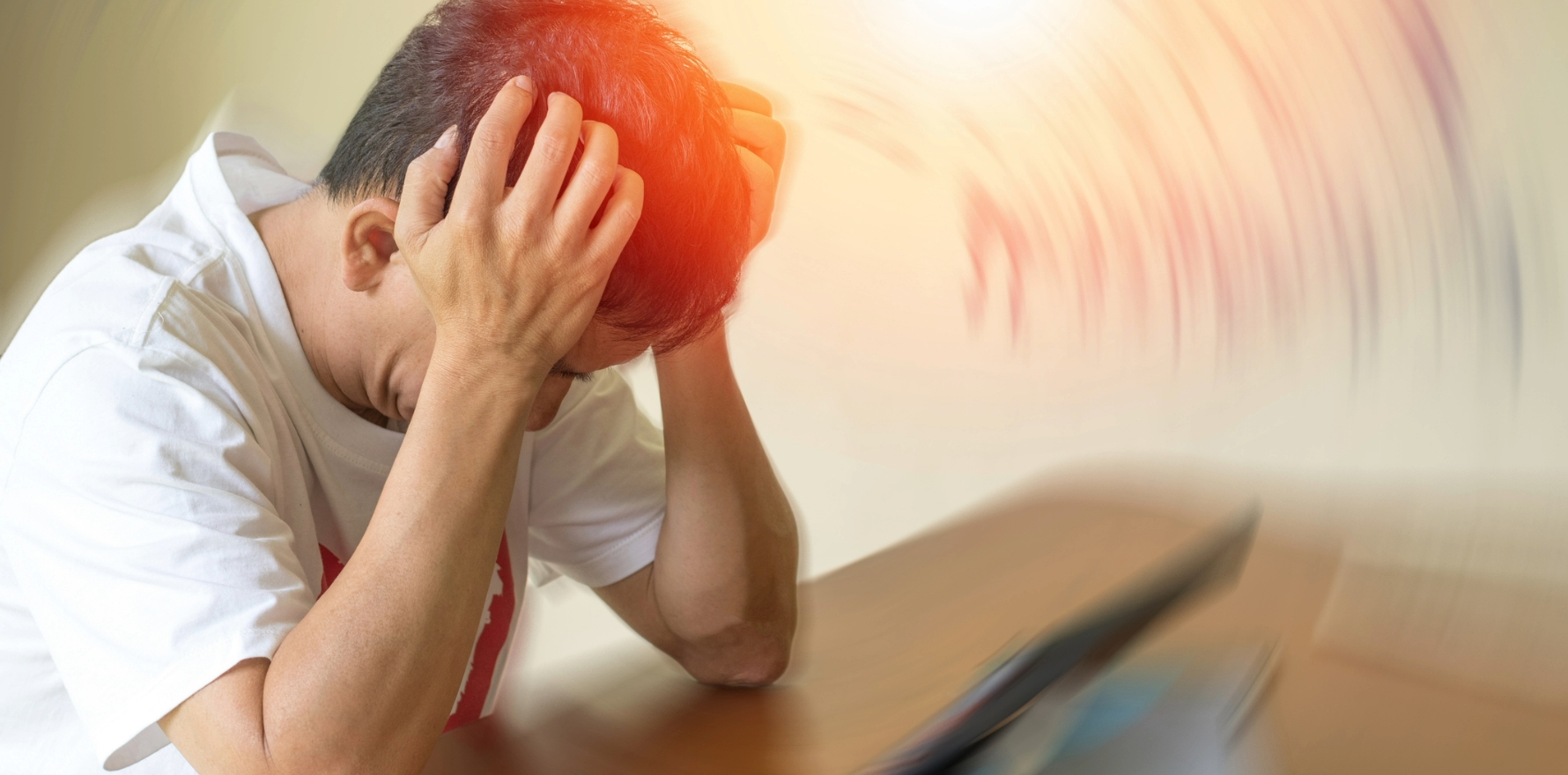
Dr Mukesh Haikerwal asks how health system responds when a person with a brain injury leaves hospital?
When a professional athlete takes a heavy knock to the head, everyone has an opinion.
Should they come off? Was the assessment thorough enough? Who said they were fit to play again?
These questions deserve the scrutiny they get, but what happens later? Especially for people whose injuries never make the news.
Leaving hospital after a brain injury is a relief, but it’s also often the time when a person and their family find out how much they’re expected to work out for themselves.
There are appointments to chase and rehabilitation to organise, all while trying to work out whether it’s possible to go back to work or study. Too often, the person recovering from the injury has to do this themselves (or it falls to a family member who already has too much on their plate).
As a doctor, I am interested in what happens at that moment.
Does the patient know what comes next?
Does their GP have information to help them?
If an appointment falls through, will anyone notice?
Even if the care in hospital is excellent – and it usually is – this doesn’t mean that people are properly supported afterwards.
Last week’s Brain Injury Australia Health Symposium in Sydney was an attempt to bring some of these less visible experiences into the conversation. Brain health in sports and childhood concussion was on the agenda, but so was brain injuries from family violence, military exposure and e-scooters too.
The program also allowed for a deep dive into employment, the arts and peer support. These kinds of discussion always get less attention than a new clinical finding, but they matter enormously to someone trying to get on with their life.
One of the big issues in brain health is getting cleared to go back to work, and the presumed resumption of normality. But finding out how you’ll cope once you’re back at work can flip normal on its head.
You might need shorter hours or changes to your duties and it’s important to work this through with your employer. Those practical problems aren’t necessarily solved in the consulting room, but they are no less important on a recovery journey.
That’s another reason we need people living with brain injury when we make decisions about care. What looks reasonable in the consulting room may be very hard at home. Patients and families tell us what isn’t working, but we have to be ready to act on it.
People also shouldn’t need a medical degree to successfully navigate our health system.
It’s easy to assume that initial point of care for a brain injury then extends into the next phase of someone’s life, and that a person is referred into all the right services. But what if a person doesn’t know why they were referred, or how to get there and what to do if they can’t get an appointment?
This is the side of healthcare less likely to grab a headline, but the quality of life for someone who has had a brain injury might depend on it.
Prevention is something else that needs to be central to any conversation about brain health. It will come as no surprise to anyone working in public health that prevention has always been the unpopular cousin of acute care. As a country, we are more interested in how we respond to a brain injury than preventing it happening in the first place.
The debate about concussion in sport has given prominence to prevention, but we need to look beyond the playing field and at injuries on our roads and in our homes too.
Related

Discussions about prevention shouldn’t have to compete with those on hospital care and rehabilitation. I believe there is and must be room for all in our health discourse.
Protecting the brain should be a consideration throughout life, well before an injury or diagnosis. Blood pressure and diabetes management, stopping smoking, being physically active and maintaining social connections are just some on the list of things that contribute to brain health.
That’s why my colleagues and I are calling for a National Brain Health Strategy.
People’s needs don’t fit neatly into boxes of services they have to use, and health care is only one part of that picture. Health care can only do so much if someone is struggling to get disability support or find a way back to work or study. People have to deal with all of this at once, even if the services they rely on work separately.
That’s what I want a national strategy to tackle.
Any national strategy also needs to be informed by those it seeks to support. The includes First Nations voices and people from culturally and linguistically diverse communities. Their help to design how care is provided, is imperative to it being accessible and safe for all.
We should keep paying attention when a footballer gets hurt, but I’d like us to spare a thought for the person at home months after an injury, still waiting for an appointment and wondering what to do next.
Dr Mukesh Haikerwal is Chair of the Australian Institute of Health and Welfare. He is also Chair of beyondblue’s National Doctors’ Mental Health Program and serves as a Director of the Cancer Council of Victoria. Dr Haikerwal is a former Chair of Council of the World Medical Association and Federal President of the Australian Medical Association. He was also National Clinical Lead at the National e-Health Transition Authority. In 2008, Dr Haikerwal sustained a severe traumatic brain injury after being assaulted in Melbourne.