

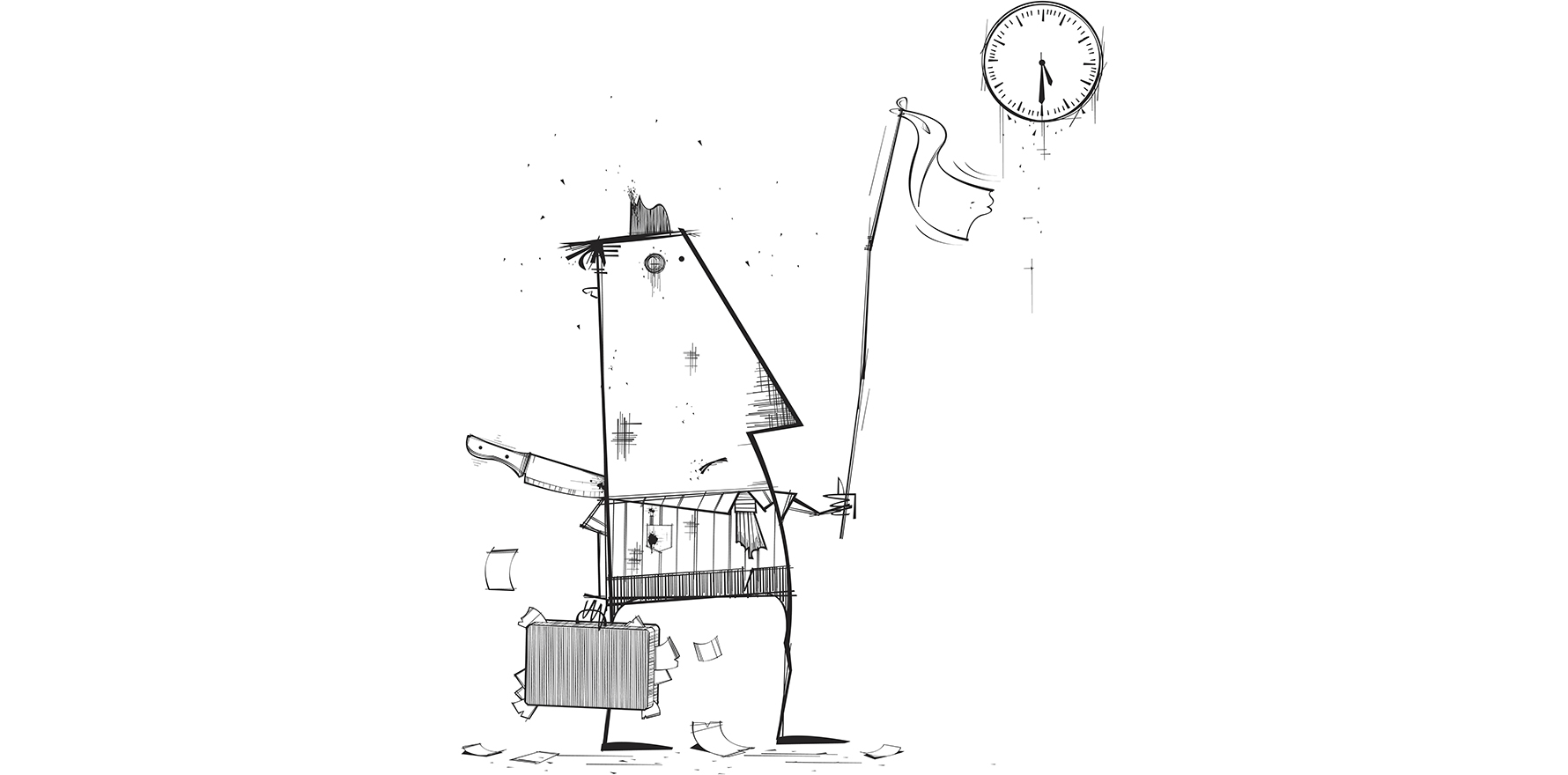
Burnout says: ‘I have nothing left to give.’ Moral injury says: ‘This is not who I wanted to become.’
For years, we have spoken about burnout as though it is the greatest threat facing leaders.
I am no longer convinced that is true.
What if many of the leaders leaving our organisations are not burnt out at all? What if they are morally injured?
The distinction matters.
Burnout is generally associated with chronic workplace stress. It presents as exhaustion, reduced effectiveness, emotional depletion and a diminished capacity to cope. Rest, workload management, leave, role clarity and improved organisational supports can often assist recovery.
Moral injury is different.
Moral injury occurs when individuals are repeatedly required to act against, witness, tolerate or remain silent about circumstances that violate their deeply held ethical beliefs and professional values.
Also in today’s edition:
- Rae backflips (again) on IAT human override
- PBS future of two leading MS therapies hangs on pricing decision
- Deft touch from Duckett as Cohealth opens up board spots
- Lyrebird hospital trial finds approval … and hallucinations
- Closely watched hospitals keep antimicrobials in check
- NDIS integrity report calls for stronger penalties and whistleblower protections
The emerging research is compelling. Studies across healthcare, military, emergency services and human services settings are increasingly identifying moral injury as a significant contributor to workforce attrition, psychological distress and leadership disengagement.
In social services, the indicators are everywhere – leaders carrying caseloads they know are unsafe; practitioners unable to provide the level of support families deserve because resources are exhausted; staff witnessing harmful behaviour but feeling powerless to address it; executives balancing financial sustainability against decisions that impact vulnerable children, families and communities.
The result is not simply fatigue. It is often guilt, shame, anger, disillusionment – a profound loss of trust.
Burnout says: “I have nothing left to give.”
Moral injury says: “This is not who I wanted to become.”
One can often be addressed through rest. The other requires reflection, accountability, ethical leadership and organisational courage.
Related


As CEOs and executives, we should be asking ourselves a difficult question: Are our people leaving because they are overworked?
Or are they leaving because the gap between their values and their daily reality has become too great to bear?
The answer may determine the future health of our organisations, because people can recover from hard work.
Recovering from a wounded conscience is far more complex.
Lisa Wicks is the principal practitioner at Lisa Wicks Consulting and is an executive leader and advisor on moral Injury, ethical leadership and organisational culture. She is currently a facilitator at the NSW Department of Communities and Justice, and chief programs officer for an NGO.
This article was first published on Ms Wicks’ LinkedIn feed. Read the original article here.