


Leaving patients with type 2 diabetes without subsidised access to continuous glucose monitoring increases inequities and healthcare costs, a new report warns.
Expanding subsidies for continuous glucose monitoring (CGM) to Australians with type 2 diabetes would reduce inequities and save more than $100 million each year, a new report says.
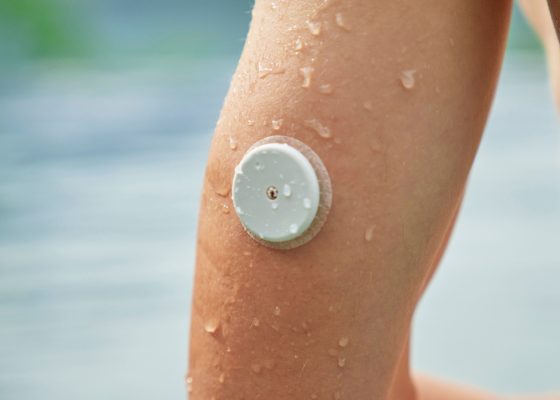
Experts say that apart from the “wealthy few”, patients with insulin-treated type 2 diabetes are being left with “second-best” finger-prick monitoring because they cannot afford $100 each fortnight to pay for CGM.
People with type 1 diabetes are eligible for subsidised access to continuous glucose monitors, which improve glycaemic control and reduce potential complications, through the National Diabetes Services Scheme.
But funding is not available to the estimated 350,000 patients with type 2 diabetes, women with gestational diabetes and adults with insulin-dependent type 3c diabetes.
The new report,The cost of inaction: Australian voices on equitable access to diabetes technology, is based on input from nine leading organisations, clinical and policy experts, diabetes organisations and healthcare providers.
The report warns that leaving patients with insulin-treated type 2 diabetes without subsidised access to CGM worsens health inequities, increases healthcare costs and leaves those patients without access to technology that is considered standard care internationally.
The report says funding arrangements lag behind clinical practice, “leaving Australians at high risk to manage a complex progressive condition with inadequate tools”.
“Targeted expansion of CGM access offers government, clinicians and people with diabetes a practical, high-impact reform that aligns with national health priorities.
“Failure to act now will perpetuate avoidable complications, widen health inequities, and drive escalating costs across the health system and broader economy.”
The report says people with insulin-treated type 2 diabetes have comparable clinical risks to people with type 1 diabetes, but their exclusion from NDSS-funded CGM disproportionately impacts disadvantaged and high-risk populations, the report says.
“In a condition that is closely associated with socioeconomic disadvantage, the absence of equitable access to effective glucose monitoring risks reinforcing existing health inequities rather than reducing them.”
Hospitalisations for type 2 diabetes account for around 39,300 admissions each year, the report says, and annual hospital expenditure linked to type 2 diabetes admissions is estimated at $274 million.
The report says there is evidence that CGM reduces type 2 diabetes hospitalisations by 40%, so expanding CGM access would result in 15,720 fewer hospitalisation each year and save around $109.7 million annually.
“CGM is cost-effective, reduces hospitalisations and complications, and improves productivity, delivering both short- and long-term savings to the health system.”
Associate Professor Neale Cohen, director of clinical services and co-lead of the diabetes research program at the Baker Heart and Diabetes Institute, said that while the calculation of cost effectiveness was complex, the reduction in hospitalisations would make funding for CGMs cost effective.
“You wouldn’t have to have many hospitalisations prevented to make this pretty effective,” Professor Cohen, who was not involved in writing the report, told HSD.
“The data is pretty certain that this reduces acute and long-term complications of type two diabetes, particularly for insulin-treated [diabetes].”
“Most of the type two population is not going to be able to afford regular continuous glucose monitoring – that’s a couple $1000 a year.
“Not many people, certainly not the lowest socioeconomic group, and certainly the indigenous population that’s mentioned [in the report], for the most part this is just unaffordable.”
Professor Cohen said some patients choose to use CGM intermittently a few times a year.
Also in today’s edition:
- We are deeply sorry: Cohealth
- Aged care profits rebound, but don’t be fooled
- Hospitals apologising essential under new national open disclosure framework
- We are part of the answer, not the problem
- Governments must define role of Kids Hubs alongside Thriving Kids: report
- Bad workflow plus AI still equals bad workflow, hospital access report warns
“They do that because they find it incredibly helpful, but as a continuous thing, how many of us have got that sort of money to spend every year?”
The report says type 2 diabetes is often mischaracterised as being driven by lifestyle factors such as weight or diet, and those misconceptions contribute to stigma and delay treatment escalation.
“In reality, it is a complex metabolic disease influenced by a combination of genetic, biological, and socioeconomic factors,” the report says.
“T2D often worsens over time despite appropriate self-management and care, reflecting the underlying progressive nature of the condition.”
Professor Cohen said there was a lack of understanding around type 2 diabetes as something that was the patient’s fault, which influenced government decision making.
“I think it’s a misunderstanding in the public arena, and certainly in government to some degree, that this is a lifestyle condition – if you just behaved yourself, you wouldn’t have it.
“That creeps into decision making, which is unfortunate, and I think it’s a stigma that we need to really correct.”
Baker Heart and Diabetes Institute consultant diabetes physician Dr Matthew Cohen, – also a Cohen from the Baker Institute and who also was not involved with the report – agreed that CGM should be subsidised for people with type 2 diabetes.
“We’re not asking for the government to make them free, we’re asking for a subsidy similar to what people with type one diabetes are getting, so it just reduces the cost,” he told HSD.
“There’s a lot of very strong evidence … that people with type two diabetes on insulin get the same benefit as people with type one diabetes.
“The treatment is the same, and the benefits of the monitoring are the same.
“Anyone who can afford it is using it, and people who can’t afford it miss out, so it becomes a real issue of health inequity.”
Dr Cohen said CGM sensors cost around $100 for 15 days.
“Not many people can afford that but the wealthy few who are getting the right treatment. They have up-to-date high-standard treatment, but most people are missing out.
“There’s obviously a cost involved in subsidising continuous glucose monitoring for a large number of people, but … it’s an investment in the future.
“People who have better control of their diabetes are less likely to go to hospital and less likely to get complications and be a burden on the health system.
“The government ends up paying more for people’s health care because they haven’t had such good control of the diabetes, and if people with type two diabetes could use continuous glucose monitoring more often, it will be less cost to them and to the government at a later date.”
Related


Dr Cohen said a 2024 parliamentary inquiry noted that people on insulin – whether they have type one or type two diabetes – still need the same monitoring.
That inquiry recommended that CGM should be made available for type two patients treated with insulin.
“The government response to that was that the recommendation was ‘noted’. We all know what that means.”
Dr Cohen said finger prick tests were subsidised but that was a “second-best” method of monitoring.
“As a diabetes specialist sitting in the room, and you’re faced with a patient, and you say the best treatment for you is using a continuous glucose monitor, or in case of type one diabetes, an insulin pump, and they look at you and say, ‘well, I can’t afford that’.
“So we’re back to injections and finger pricking, and it’s second best, and you know they’re not going to do as well in the future as they should.
“They are more likely to get diabetic complications, eye damage, kidney damage, nerve damage, more likely to have hospital admissions.
“It’s a worse health outcome, and it’s a costly health outcome to the community and to the government.”
Dr Cohen said the benefits of CGM extended to other groups of people with type two diabetes who are not on insulin and who don’t need monitoring as often, such as women with gestational diabetes.
“There are huge benefits in continuous glucose monitoring in women for gestational diabetes in the last month or two of pregnancy.”
Dr Cohen said siloing was a key problem, where subsidies come from the federal government, but the health costs and hospital costs are met by the state government.
“Our system is siloed, and budgets in one area don’t take into account savings in someone else’s silo.”
Australian Diabetes Society CEO Professor Sof Andrikopoulos, who was interviewed for the report, said funding for CGM for people with type 2 diabetes would align Australia’s diabetes care with contemporary standards, improve health equity and reduce long-term pressure on the healthcare system.
“While many Australians living with type 1 diabetes can already access subsidised CGM technology through the NDSS, other high-need populations continue to miss out despite strong clinical evidence supporting broader equitable access,” Professor Andrikopoulos said.
“The technology exists, the clinical evidence is clear, and the cost of delaying equitable access continues to grow.
“Timely action to expand CGM access would improve health outcomes for thousands of Australians while helping build a more equitable and sustainable healthcare system.”