

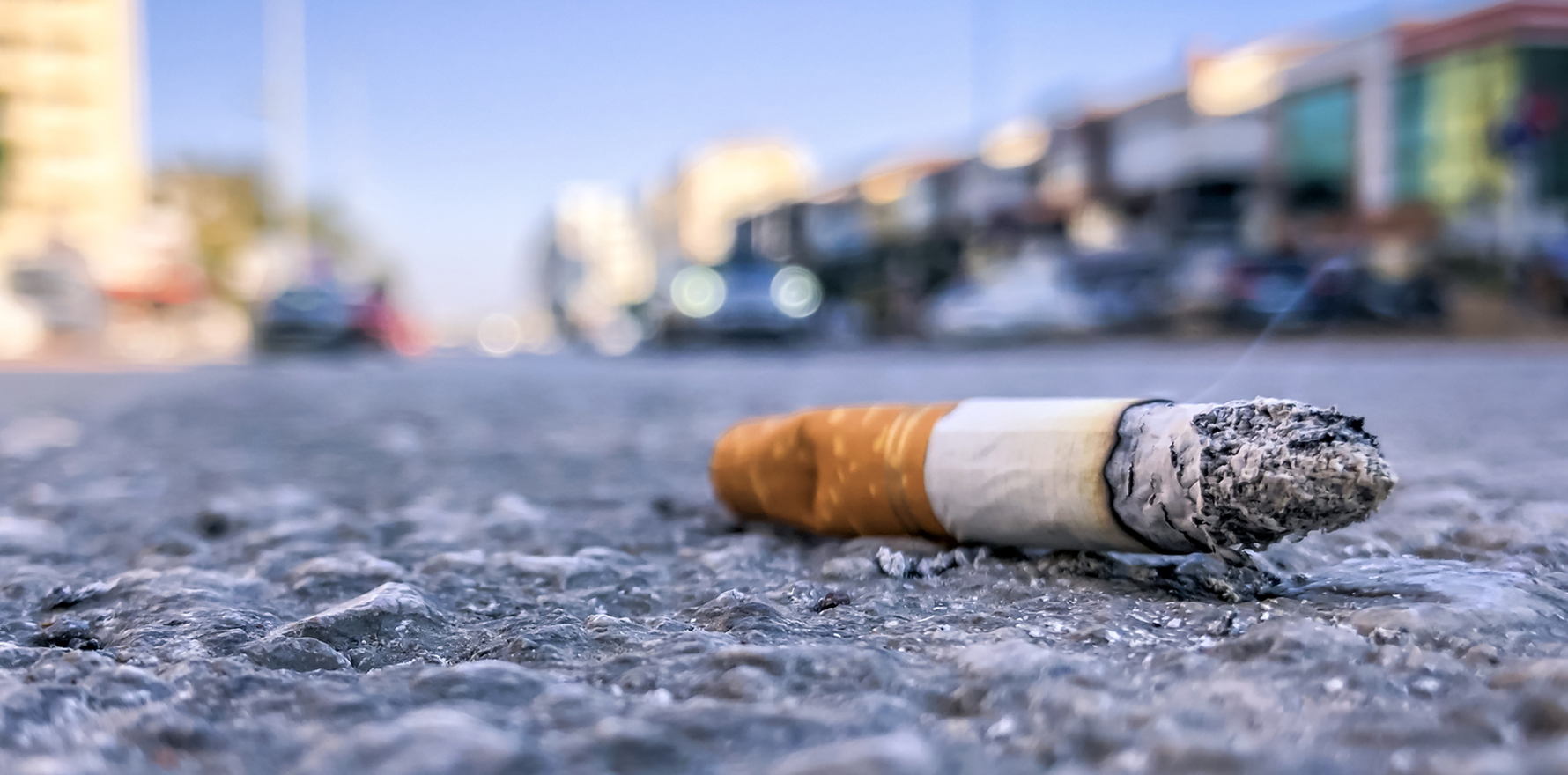
Are we going to base public health policy on the commercial interests of an industry whose entire business model is built on harming its own customers?
Some years ago, when I was a health reporter at The Age, I was made aware that Big Tobacco was trying to recruit people like me to work for them as media spokespeople.
They were offering eye-watering salaries to medical journos and health ministers’ media advisers in a cynical bid to buy credibility and get those who knew the health landscape inside-out on their side.
It’s a badge of honour that I never got that call. But I know others who did, and were offered the kind of money that could change your life. The only drawback is you’d have to be fine with amplifying a business that actively ends the lives of millions of people.
This deal-with-the-devil was front of mind recently when I listened to a British American Tobacco spokesman tell Radio National their industry is struggling because of the illicit tobacco trade.
Their solution, unsurprisingly, is to make their products cheaper by cutting taxes.
Also in today’s edition:
- Tasmania should become Australia’s healthcare ‘pilot state’: demographer
- Assignment of benefit changes delayed at last minute
- Healthdirect testing ChatGPT integration to connect Aussies directly to nurses
- UNSW overtakes Melbourne as Australia’s top university in QS rankings
- Ruston’s Bill will tell IAT to back off
- Disability groups make last-ditch bid to halt NDIS reform bill
- Health sector unites against rebate cut
First, it’s disturbing that an industry that’s been rightly sidelined from public view for many years due to despicable corporate behaviour and the unrelenting human damage their products cause is starting to get more of a platform both in media and in the corridors of power.
Last month, Philip Morris International was permitted to give evidence in secret at the federal Senate inquiry into illicit tobacco – a move that appears to be in direct contravention of the WHO Framework Convention on Tobacco Control, to which Australia is a signatory, and which requires transparency and disclosure around dealings with tobacco companies.
And yet, here we are again, giving them airtime and influence like they’re credible experts on what is an extremely complex public health policy environment.
Listening to the BAT spokesman acknowledge that, yes, his products kill people but the health effects are known (despite the industry lying about this for decades) was truly breathtaking.
He then argued that they’re simply feeding demand, which is better met by a legal industry than an illegal one and that taxes should be dropped.
Related

What’s the logical end-point to that? What would be an acceptable excise rate for the tobacco industry? Half the current level? A quarter? Zero? Are we really going to base public health policy on the commercial interests of an industry whose entire business model is built on harming its own customers?
The illicit tobacco trade is real, and it’s a serious issue. But you will never convince me that the people to solve it are those whose products kill more than 24,000 Australians every year.
The more we give these companies credibility and treat them like they care about anything other than their own profits, the more we risk backsliding on decades of progress that has seen Australia lead the world in tobacco control.
Jill Stark is a journalist and writer. She is the founder and owner of Stark Words, and a former speechwriter for former PM Julia Gillard when she was chair of Beyond Blue.
This article was first published on Ms Stark’s LinkedIn feed. Read the original article here.