


UCCs are now a permanent fixture, says the PM. One expert called it a 'premature' move, given the lack of full evaluation.
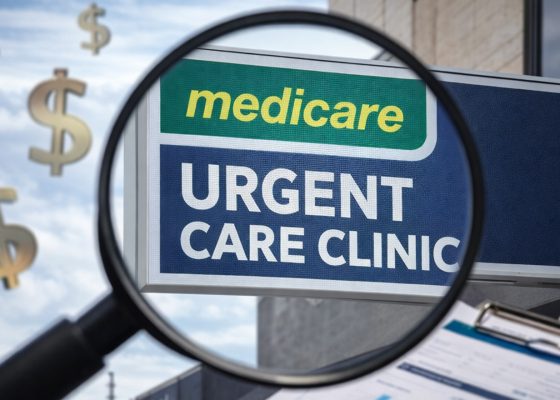
The Albanese government will move to permanently embed Medicare Urgent Care Clinics into Australia’s health system, announcing a major funding boost in next week’s federal budget to secure the network’s long-term future.
That’s despite a full evaluation of the UCCs’ cost-effectiveness and effect on ED presentations and local GPs not due until later this year.
Under the plan, the government will invest $1.8 billion over five years from 2025-26, with ongoing funding of more than $525 million annually from 2030-31, to keep the clinics operating as a permanent, bulk-billed alternative to hospital emergency departments.
Peter Breadon, program director of health and aged care at the Grattan Institute, said making UCCs permanent “seems premature”, however.
“The full evaluation isn’t due until later this year, and the interim results raise real concerns about cost-effectiveness,” he told HSD.
“If the funding does go to urgent care centres, part of it should be used to improve them.
“Based on the evaluations released so far, that could include better information sharing with patients’ usual GPs, tighter triage so that more patients are really avoiding the ED, and a greater emphasis on after-hours operation.”
There are currently 135 clinics operating nationally, with almost three million presentations recorded since the program began.
The government says the clinics, which provide walk-in, fully bulk-billed care for non-life-threatening conditions, are helping divert demand away from hospital emergency departments, with an interim evaluation finding a reduction in ED presentations of around 10% nationally.
Mr Breadon countered that saying that, in fact, emergency department visits may have fallen by about 10% in the 44 partner hospitals included in the analysis.
“A different estimate looked at the local catchments of the urgent care centres and found a lower drop of around 5%,” he said.
“These are local, not national, effects. With a 10% drop in hospital visits in partner hospitals, we’re looking at about a 1% reduction in emergency department visits nationally.”
Also in today’s edition:
That finding echoes previous reporting by Health Services Daily which found the clinics were reducing ED demand but delivering a more mixed picture overall, with questions remaining about broader system impacts.
Dr Michael Wright, president of the Royal Australian College of General Practitioners, said the UCC program was expensive and was still awaiting full evaluation.
“Urgent care is something general practices have always provided and continue to provide every day, across Australia,” he said.
“From the outset of this program, the RACGP has raised concerns that creating a small number of highly funded urgent care centres risks artificially propping up some services while potentially destabilising surrounding general practices in the same community.
“That concern remains, particularly while we are still waiting to see a proper evaluation showing the impact these centres have had on nearby practices and local health systems,” he said.
“This is an expensive model of care, and we need to be confident it is delivering value for patients without undermining the financial viability of general practice more broadly.
“Fragmentation of care and loss of continuity remain unresolved and represent some of the most harmful outcomes for patients and the health system.
“Continuity of care must be actively protected, because Australians receive the best care when it is delivered by their regular GP, someone that knows them, understands their history and provides coordinated, ongoing care.”
Dr Wright said now that the program would continue as a permanent fixture in the health system, it was important to ensure that UCCs were actually delivering what they were established to do.
“[That’s] improving access to care and reducing pressure on hospitals, rather than simply existing as isolated services.
“Ultimately, all Australians benefit when urgent care is well integrated with general practice, operates to consistent standards, and is supported by funding models that strengthen the entire primary care system, not just parts of it.”
Mr Breadon said he was concerned about the cost-effectiveness of UCCs.
“The most recent interim evaluation only looked at the cost-effectiveness for patients who avoided an emergency department visit,” he said.
“Using patient’s views on where they would go otherwise, that assessment found a saving of $100 million. Using an analysis of how ED visits changed in partner hospitals, it found a saving of just $36 million.
“But you can’t assess cost-effectiveness by only looking at the minority of patients where you save money.
“The full evaluation will also look at cost-effectiveness for all patients, whether they would have otherwise visited the the ED, the GP, somewhere else, or nowhere.
“Based on patient survey responses, about half of patients said they would go to the GP if they didn’t go to the UCC. The true number may be even higher, but either way, including those patients too will drag the cost-effectiveness result down a lot,” he said.
Newcastle GP and practice owner Dr Max Mollenkopf speculated about what would happen if the money was instead spent on properly funding day-to-day general practice.
“Urgent care centres have been a rightfully popular option for consumers seeking on-the-day care with no out-of-pocket fees,” Dr Mollenkopf told HSD.
“The significant background funding needed to keep these services running demonstrates just how unsustainable relying on bulk billing alone is for normal GP clinics.
“If government could take this same proactive approach to background funding operational costs for normal GP care, I’m sure we could see some tremendous outcomes for our community for more than just their coughs and cuts.”
Related


Prime Minister Anthony Albanese said the clinics were central to the government’s cost-of-living and health agenda.
“Our number one priority is delivering cost of living relief for Australians – our network of Medicare Urgent Care Clinics is doing exactly that,” he said in announcing the budget boost.
Federal health minister Mark Butler said the move marked the next phase of a policy first introduced in 2023 as a trial.
“The Albanese government created Medicare Urgent Care Clinics and now we are making sure they are here to stay,” he said.
“The network of Medicare Urgent Care Clinics is proving to be a gamechanger for all Australians.”
As previously reported by HSD, the Australian National Audit Office has launched an audit into the funding and delivery of urgent care clinics, examining whether the program is achieving value for money and meeting its stated objectives.
At the same time, a national campaign push has sought to increase public awareness of when to use urgent care clinics versus emergency departments, highlighting ongoing concerns about patient navigation and system integration.
More broadly, stakeholders including the Australian Medical Association have cautioned that while UCCs can play a role in reducing low-acuity ED presentations, they are not a complete solution to pressures facing the hospital system, particularly for more complex and admitted patients.
For the government, however, the message is clear: urgent care clinics are no longer a trial policy but a permanent pillar of Medicare.