


Older Australians want to live — and often die — at home with dignity and safety. Policy must follow clinical reality, not administrative consolidation.
COTA, Meals on Wheels, academics, providers, clinicians and the Inspector-General of Aged Care have all warned that the proposed transition from the Commonwealth Home Support Program to the Support at Home program is not yet clinically safe.
They are right.
CHSP is not a clinical prevention model — but it is a lifeline. It gets older Australians out of hospital with the basics in place: meals, transport, domestic assistance and social connection. Without it, many would not get home at all.
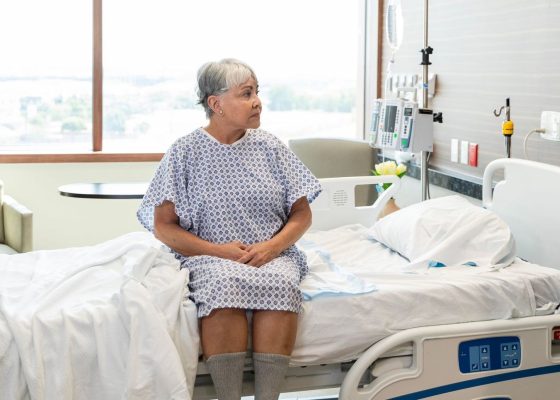
Here is the reality we avoid saying: hospitals make older people sicker. Extended stays decondition older Australians, push people into frailty and worsen frailty where it already exists.
The predictable consequences are delirium, malnutrition, pressure injuries, wound deterioration and catastrophic falls after discharge — followed by earlier institutional entry.
Yet we are building a waiting-room system.
People leave hospital on CHSP and wait for Support at Home funding and clinical stabilisation that CHSP cannot deliver.
While they wait, decline continues. If residential care is required, many remain in hospital because placement is delayed or unaffordable. Few want hospital. Fewer want residential care. But policy pathways funnel them there.
Support at Home includes a dedicated restorative care pathway — the right concept. Registered nurse-led multidisciplinary restorative care can restore function and interrupt the discharge–decline–readmission cycle.
But it will not hold unless we confront the central failure: pooled funding.
If ongoing Support at Home budgets force nursing, allied health, personal care and domestic supports to compete within one capped pool, clinical care will be displaced first.
Governance becomes paperwork. Nursing becomes intermittent. Restorative gains evaporate. The cycle resumes: decline → crisis → hospital → discharge → decline → crisis → residential aged care.
Then add the second structural break: assistive technology and home modifications.
Related


Without timely rails, ramps, pressure care and safe bathroom access, restorative outcomes cannot be sustained. Delay here drives falls, wounds, readmissions and institutionalisation.
Absorbing CHSP into Support at Home can succeed only if three conditions are met:
- pooled funding is structurally reformed to protect clinical stabilisation;
- restorative care is delivered at scale by RN-led multidisciplinary teams;
- assistive technology and home modifications funded and delivered in time.
Without these safeguards, reform will not reduce hospitalisation or institutionalisation. It will accelerate both.
Older Australians want to live — and often die — at home with dignity and safety. Policy must follow clinical reality, not administrative consolidation.
Palantina Hughes is a clinical nurse specialist and owner/operator of NovaCare Nursing in Hobart.
This article was first published on Ms Hughes’ LinkedIn feed. Read the original article here.