


It was a close-run thing. Did the follow-up call the next day make up for the $500 bill?
I ended up at the emergency vet on Sunday night. Chester the Labradoodle had been retching for the past hour.
Even though he was eating and drinking okay, he wasn’t comfortable. It’s just like when the kids get sick – I wondered what would I do if I did nothing and he got worse overnight?
So off we went.
As I sat in the waiting room, I started thinking about how similar the experience was to my first visit to a Medicare urgent care clinic a few months ago.
Given I spend a fair bit of my working week writing about healthcare, I couldn’t help making a few comparisons.
Triage: Pretty similar. At the emergency vet, Chester was assessed quickly and deemed not to be in immediate danger. At urgent care, my daughter was seen by a nurse almost straight away.
Wait times: About two hours to see the doctor/vet. Whenever I’ve gone to a hospital emergency department, I’ve packed enough food, chargers, books and jumpers to survive a small apocalypse.
Apparently, I assumed urgent care and the emergency vet would be quicker. Both times I ended up hungry with a rapidly dying phone. Rookie error.
The consultation: Both clinicians were lovely and experienced. Both had a pretty good idea about what was going on, but neither visit delivered a definitive answer, mainly because we couldn’t get further diagnostics.
Access to diagnostics: This is what bothered me the most about the urgent care clinic. My daughter had a sore arm after a fall, but by the time we saw the doctor, the X-ray service had closed. It felt like a missed opportunity to not have this type of diagnostics available after hours.
At the vet, nothing obvious was found in Chester’s throat. Further investigation under sedation was an option, but given how comfortable he seemed, we decided against it.
Related

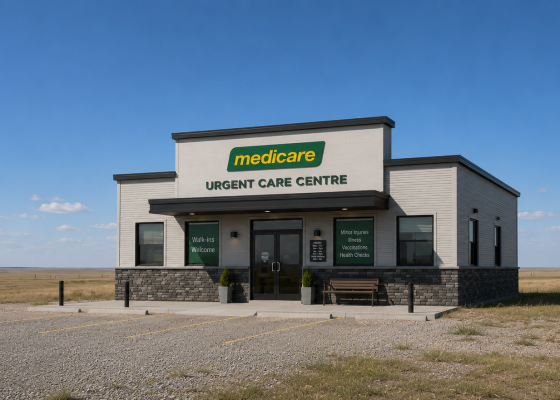

Cost: Medicare urgent care clinic: $0. Emergency vet: $508, including a whopping $160 for anti-nausea meds and for anti-inflammatories. Let’s hope the pet insurance kicks in for some of it …
Aftercare and follow-up: Our regular vet had been informed about our night-time visit and called us the next day to see how Chester was, which I thought was a nice touch.
However, knowing what I know about the GP workload, I’ve never had (nor would I expect) our regular GP to call to check in after a hospital or urgent care visit.
Recovery: Both patients woke up the next morning seemingly fine. Which was obviously reassuring, but frustrating – should we have watched and waited?
I think that’s what struck me most about the two experiences.
Neither visit gave us a clear diagnosis or an immediate fix. But both gave me something I didn’t have when I walked through the door: reassurance.
We spend a lot of time talking about healthcare in terms of wait times, costs, presentations and outcomes. But there’s something to be said for the value of being told, by someone who knows what they’re looking at, that it’s probably going to be okay.
Even if it cost $508, it definitely helped me sleep better that night.
This article was first published on Caitlin’s LinkedIn feed. Read the original here.