

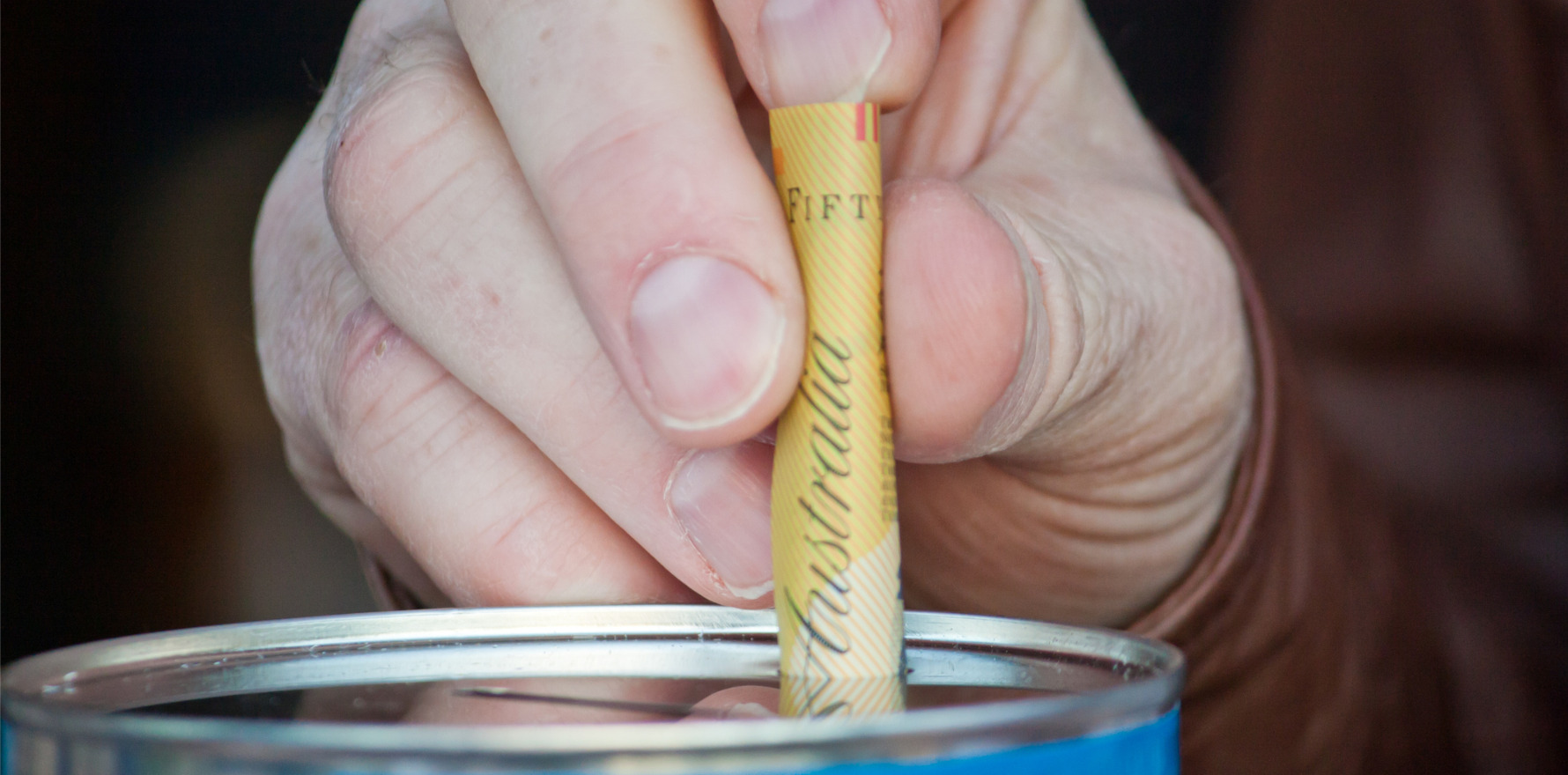
Donations hit $9.1 billion in 2023, boosted by a single $5 billion gift, while charities face uneven support nationwide.
Charitable giving in Australia surged to $9.1 billion in the 2023 financial year, with nearly 4.5 million people donating to charities, according to KPMG analysis of Australian Taxation Office data.
The increase, which equates to 216,000 more donors, is significant for the health and community services sector that continues to face rising demand driven by cost-of-living pressures, population growth and ongoing post-pandemic impacts.
Despite financial strain on households, more Australians chose to support charities, underscoring the continued reliance of health and social care organisations on philanthropic funding.
The sharp rise in total donations was driven overwhelmingly by Western Australia, following a $5 billion gift of Fortescue shares from Andrew and Nicola Forrest to the Minderoo Foundation.
This single donation lifted the national average tax-deductible donation to $2032, up more than 90% on the previous year, and pushed Western Australia’s total donations up by 737%.
The generosity of Western Australian’s offset falls across in some other states with the total value of donations in New South Wales dropping 14.7 percent and Queensland dropping 16.7 percent. The other states besides WA to record an increase in total value of donations were the Northern Territory (7.4%), South Australia (5.2%) and Victoria (3.5%).
Even removing the postcode which included the Forrest donation, Western Australia still led the way on average donations ($1160), followed by NSW ($1063), Victoria ($963), the ACT ($934), Queensland ($660), South Australia ($657), Tasmania ($564), and the Northern Territory ($503).
KPMG urban economist Terry Rawnsley said the figures showed generosity had endured despite economic pressures, but warned charities were doing it tough.
Related



“While the cost-of-living crisis squeezed family budgets and led to a fall in the value of donations it didn’t stop the Aussie spirit of generosity as more chose to donate than the previous year,” said Mr Rawnsley.
“Despite our generosity, charities are still facing pressure on two sides; a declining donor base in some states and heightened demand for their services amid cost-of-living pressures.”
Despite seeing a drop in donations, NSW made up the largest absolute number of contributors (1,400,550 donors).
While affluent inner-city suburbs continued to dominate the highest average and total donation rankings, 2022-23 saw sharp declines for many suburbs as residents pulled back on charitable giving.
Sydney’s Eastern Suburbs and the City & Inner South SA4 region reported average donation declines of 34% and 60% respectively. Similarly, Melbourne’s Inner SA4 saw a 23% decline in total donations and Brisbane’s Inner City saw a drop of 57%.
Conversely, some regional and outer-suburban SA4s experienced robust donation growth. Toowoomba saw an 87% increase in average donations, along with the Central Coast (63%), the Murray Region (22%), Southern Highlands & Shoalhaven (13%), and Melbourne’s Outer East (97%).
“Post covid we saw a strong migration of people out of the inner city to lifestyle-oriented locations like the Central Coast and Southern Highlands,” said Mr Rawnsley.
“It stands to reason that many high-net-worth individuals were part of that migration and have brought their philanthropy to these regional areas.”
While it’s not always the main driver for making charitable donations, obtaining a tax deduction may enable taxpayers to be more generous, said KPMG tax partner Craig Robinson.
But not all organisations will qualify, so people should check the organisation’s status using its Australian Business Number (ABN), he said.
“When considering a donation, taxpayers will only be able to claim a deduction for donations to qualifying deductible gift recipients,” Mr Robinson said.
For a tax deduction to be available, the taxpayer must not receive any material benefit in return, purchasing entries into raffles or attending fundraising dinners typically will not qualify, he said.
See the full report here.